 Jean ReiCo-Founder / Head of Design
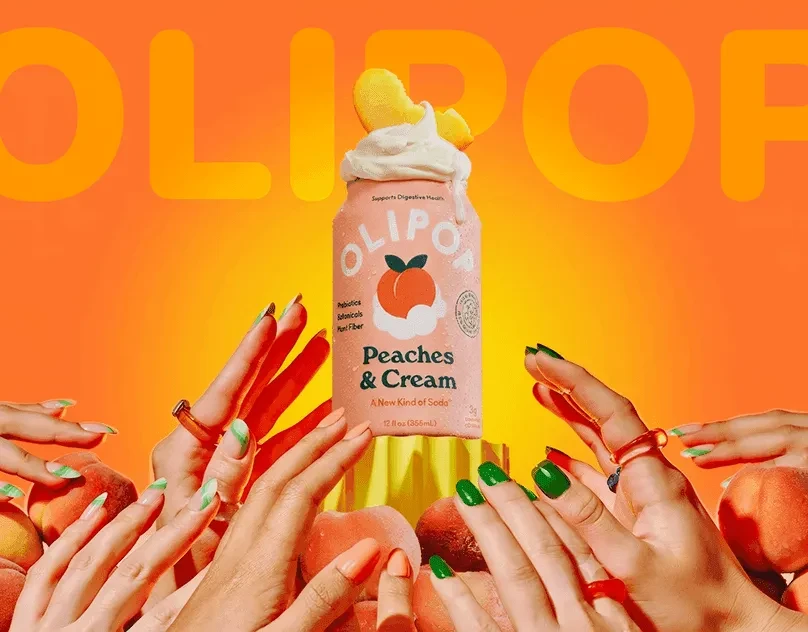
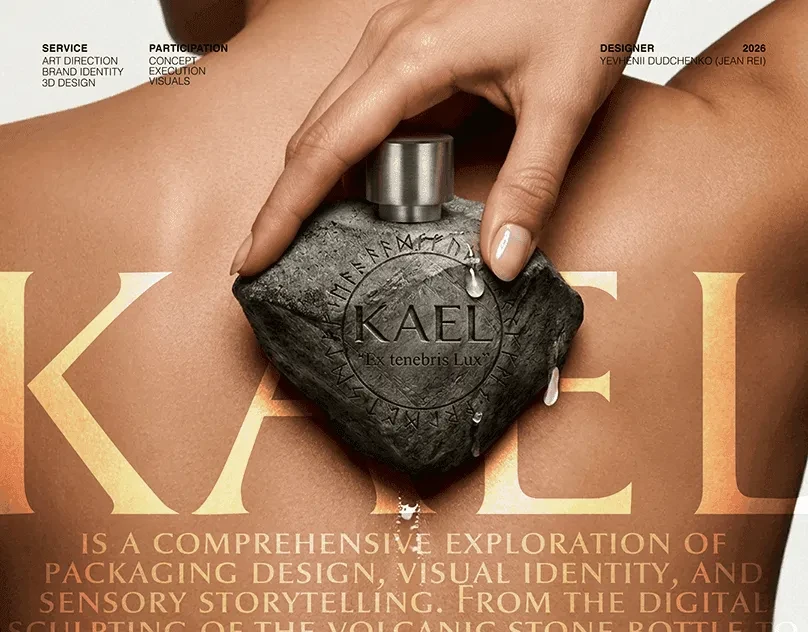
Custom 3D and illustration do something stock imagery cannot: they belong to one brand. Open ten product pages and count the stock photos, the smiling team around a laptop, hands on a keyboard, the abstract gradient orb. Visitors have seen every one. The brain files them under “generic” in a fraction of a second, and generic is another word for forgettable.
With generated imagery everywhere and templates a click away, the cheapest visual is also the least valuable. What stops the scroll is something that clearly belongs to you and nobody else.
stock is a tax on credibility
Stock imagery does more than look generic. It quietly signals that the team did not invest in details, and visitors extend that doubt to the product. A hero image is the first claim your brand makes about quality, and a license-free photo makes the weakest possible claim. The cost of a custom asset is visible on an invoice; the cost of a generic one hides in lower trust and weaker recall.
what custom visuals do that photos cannot
- Explain the abstract: infrastructure, data and finance have no natural photograph. A custom object or illustration gives the idea a body.
- Build a recognizable world: repeating shapes, materials and characters make a brand identifiable in a crowded feed.
- Scale across formats: one asset library can feed the site, ads, social, decks and onboarding.
- Resist copying: competitors can match your layout in a week, not an asset they do not own.
3D, illustration or editorial graphics
| Format | Best for | Strength |
|---|---|---|
| Custom 3D | Premium products, hardware-like objects, hero moments | Depth and material communicate quality |
| Illustration | Human, narrative or playful brands; complex ideas | A friendly entry point |
| Editorial graphics | Brands with an opinionated voice | Type-led layouts and fast production at scale |
The choice is less about taste than about the job: what must this image make a visitor feel or understand in two seconds?
a brief that gets great assets
- State the single message the image must communicate.
- Define the emotion in three words, such as precise, playful, confident.
- List the formats: hero, square, vertical, icon size.
- Name the brand rules: palette, shape language, level of detail.
- Specify what to avoid, including clichés from your category.
- Decide how many variations you need, so the style is built once and reused.
beautiful does not have to be heavy
Rich visuals hurt performance only when shipped carelessly. Export at the size you display, use modern compressed formats, lazy-load assets below the first screen and avoid autoplaying heavy video on mobile. A stunning hero that takes six seconds to appear is not a hero. We go deeper in motion UI and page speed.
how to measure the value of an asset
Treat custom visuals as testable. Compare a custom hero with a generic one and watch scroll depth, time on page and clicks on the primary action. In paid media, compare engagement and cost per click between bespoke and stock creative. If the asset does not move a number, it is decoration.
Effective asset cost = production cost ÷ number of uses
An illustrative run: a style system that costs $4,000 and produces 40 assets used across site, ads and product works out at $100 per asset. The same budget spent on one picture used once is $4,000 per use.
a practical starting point
If a full library feels heavy, commission one signature object, a 3D form, an illustrated character or a bold typographic composition, and build a small kit around it: three angles, two color variants and one animated version. Use it on the homepage hero, the social preview image and the next ad campaign. You will learn quickly whether custom visuals move your numbers, and you will have the seed of a system. That is why we design visual worlds rather than single pictures, in line with building visual DNA.
what to do next
List every stock image on your homepage and mark the one a visitor sees first. To see bespoke assets inside identity, UI and campaigns, browse our selected work, or book a free 20-minute call and we will map which visuals deserve to be custom.